
Call us now :+919811538277
 Send Inquiry
 Send Inquiry
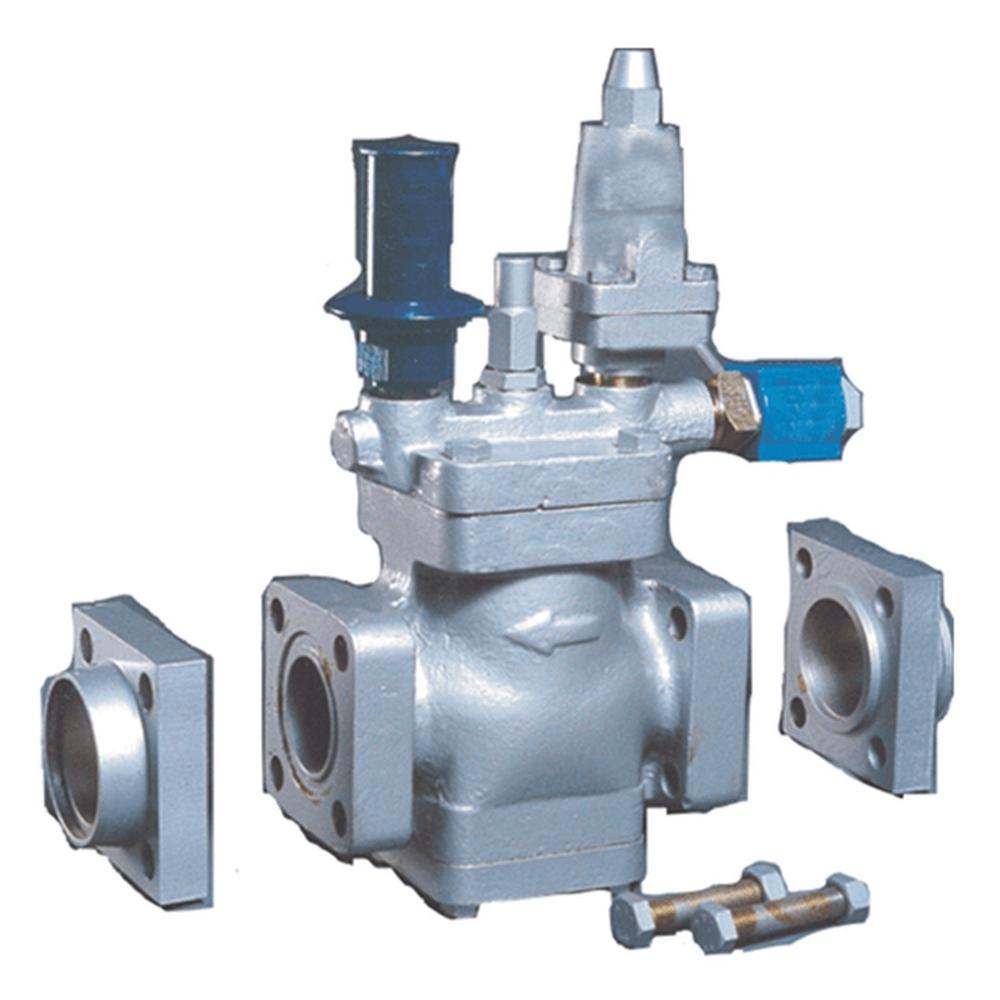
Ammonia Refrigeration Control Valves: Solenoid, Regulator, Overflow
Price 1200.0 INR/ Piece
MOQ : 5 Pieces
Ammonia Refrigeration Control Valves: Solenoid, Regulator, Overflow Specification
- Material
- Carbon Steel, Stainless Steel, Gun Metal
- Features
- Corrosion Resistant, Leak Proof, Compatible with Low Temperatures
- Valve Size
- 1/2 to 4 (DN15 to DN100)
- Valve Type
- Solenoid, regulator, constant-pressure, overflow, flow regulator, valve station
- Control System
- Manual, Pneumatic, or Electric Actuator
- Connection Type
- Flanged, weld end or screwed by type
- Usage
- Industrial
- Structure
- Forged Body with Flanged or Socket Weld Ends
- Application
- Ammonia Refrigeration Systems
- Voltage
- Not Applicable / 24V or 230V (for Solenoid Models)
- Sealing
- PTFE, Nitrile, or Metal-to-Metal
- Type
- Globe, Solenoid, Safety, Hand Expansion, Motorized Control Valve
- Size
- 15 mm to 125 mm depending on type
- Power
- Manual or Pneumatic (as per model)
- Pressure
- Up to 28 Bar
- Media
- Ammonia, Refrigerant Gases
- Port Size
- Available from 15mm to 100mm
- Temperature
- -50°C to +120°C
- Disc
- Stainless Steel / Special Alloy
- Pin
- Stainless Steel, Precisely Machined
- Leakage Class
- Class VI (bubble-tight) available
- Body Finish
- Anti-corrosive Paint or Electroplated
- Packing
- Graphite/ PTFE Gland Packing
- Suitable Refrigerants
- NH3, R717, R22 (On Request)
- End Connection Standard
- ANSI, DIN available
- Maintenance
- Easy In-line Servicing
- Operation
- Quick Opening and Closing
- Design Pressure
- Up to 425 psi
- Compliance
- Meets DIN, IS, or ANSI standards
- Mounting Orientation
- Any Position, Preferably Vertical
About Ammonia Refrigeration Control Valves: Solenoid, Regulator, Overflow
We supply automatic control valves for ammonia (R717) and fluorinated-refrigerant plants: solenoid valves, pilot-operated pressure and temperature regulators, constant-pressure and overflow valves, liquid flow regulators and multi-function valve stations. These are traded controls that sit alongside the SUPER 1968 manual valve range.
Key features
- PATR pressure and temperature regulators, pilot operated, flanged, 25-125 mm
- SOSV servo-operated and TSSV two-step solenoid valves, flanged (TSSV 32-125 mm); ASV solenoid valves 15-50 mm
- CPVS constant-pressure valve for hot-gas defrost drains and pump bypass
- OFV overflow valve, weld end, 20 and 25 mm, 2-8 bar adjustable
- ALFR automatic liquid flow regulator, 20-50 mm, for overfeed systems
- MFVS multi-function valve station: stop, solenoid, filter, hand expansion and non-return in one block
Specifications
- Valve Type: Solenoid, regulator, constant-pressure, overflow, flow regulator, valve station
- Size: 15 mm to 125 mm depending on type
- Connection Type: Flanged, weld end or screwed by type
- Refrigerant: R717 (Ammonia) and fluorinated refrigerants
- Media: Ammonia (R717)
- Usage: Industrial
Why SUPER: SUPER REFRIGERATION (INDIA) PVT. LTD. (brand SUPER 1968, New Delhi) has served industrial refrigeration since 1968 and is now in its third generation. Alongside the SUPER 1968 ammonia valves our group manufactures, we supply compressors, condensers, evaporators, vessels, controls, instruments, ice-plant and cold-storage items, so a plant can source from one specialist supplier.
Send an enquiry with size, connection and quantity for a quotation.
Catalogue: https://www.super1968.com/super.pdf
Phone: +91-9811538277 | Email: info@super1968.com
Tell us about your requirement

Price:
Quantity
Select Unit
- 50
- 100
- 200
- 250
- 500
- 1000+
Additional detail
Mobile number
Email

More Products in Ammonia Valves Category
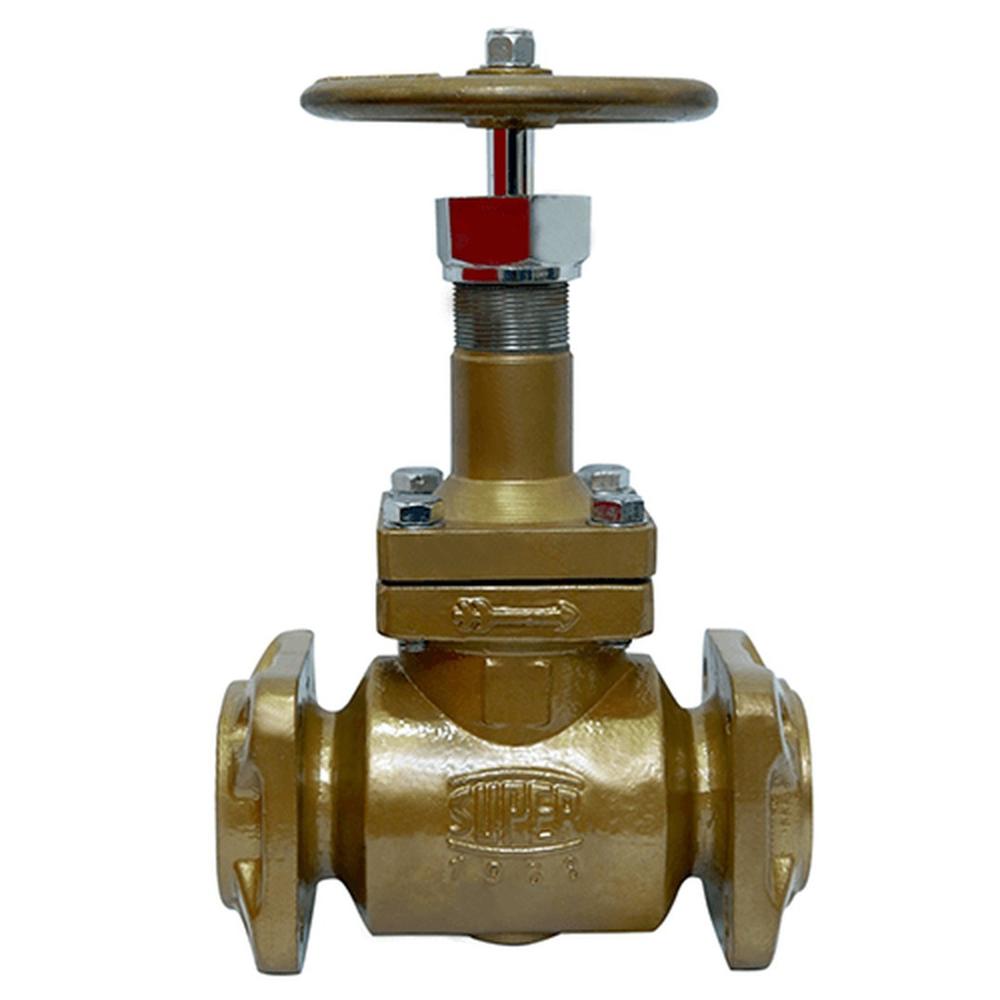
Ammonia Refrigeration Valves, Cast Iron and Cast Steel, SUPER 1968
Price 1000.0 INR / Piece
Minimum Order Quantity : 1 Piece
Sealing : Metal or Teflon (PTFE), by type
Connection Type : Screwed, flanged, socket weldable
Usage : Industrial
Port Size : 1/4" to 12" depending on type

 Send Inquiry
Our Products
- Ammonia Refrigeration Valves
- Ammonia Refrigeration Controls Valves
- Refrigeration Compressor & Spares
- Ammonia Evaporators
- Ammonia Condensers
- Ammonia Pressure Vessels
- Ammonia Liquid Pump Recirculation System
- Cold Storage Equipment
- Ice Plant Equipment
- Ammonia Ref. Plant Machinery
- Ammonia Ref. Plant Accessories
- Capacity Controllers Digital Temperature Indicator
- Freon Refrigeration Equipment
- Ammonia Valves
- Ammonia Ref. Plant Turnkey Solutions
- Air Curtains
- PVC Curtains
- Alarm Annunciator
- Digital Humidity Indicator
- Temperature Indicator
- Pressure Indicators
- Compressor Controller
- Open Type Compressor
- Metal Air Coolers
- Reciprocating Compressors
- Liquid Level Indicator
- Float Switch
- Industrial Flanges
- Flow Indicators
- Refrigeration Compressors
- Cooling Coils
- Plate Heat Exchangers


Office - WH-62, Mayapuri Industrial Area, Phase-1,New Delhi - 110064, India

Mr Neeraj Checker
(Manager)
Mobile :08045814404
 Send Inquiry
 Send SMS
 Call Me Free
Developed and Managed by Infocom Network Private Limited.
